Also known as the soybean, edamame is seeing increased popularity in the United States. Originally found in only Asian cuisine, this green vegetable is a fantastic source of lean protein, fiber, vitamin A, vitamin C, calcium, and iron. To retain its freshness and flavor, edamame are often parboiled and quick-frozen. They can be purchased whole or already shelled. Shelled edamame can be used as a vegetable side dish, in soups, on salads, or as an alternative to corn and peas, which are lower in nutritional value. To eat as a snack, first boil whole edamame pods briefly in lightly salted water. Then, use your fingers or teeth to squeeze the seeds directly from the pod into the mouth. Try a yummy and healthy handful yourself!
December 15th, 2010
...now browsing by day


Your Ball of Yarn
Wednesday, December 15th, 2010 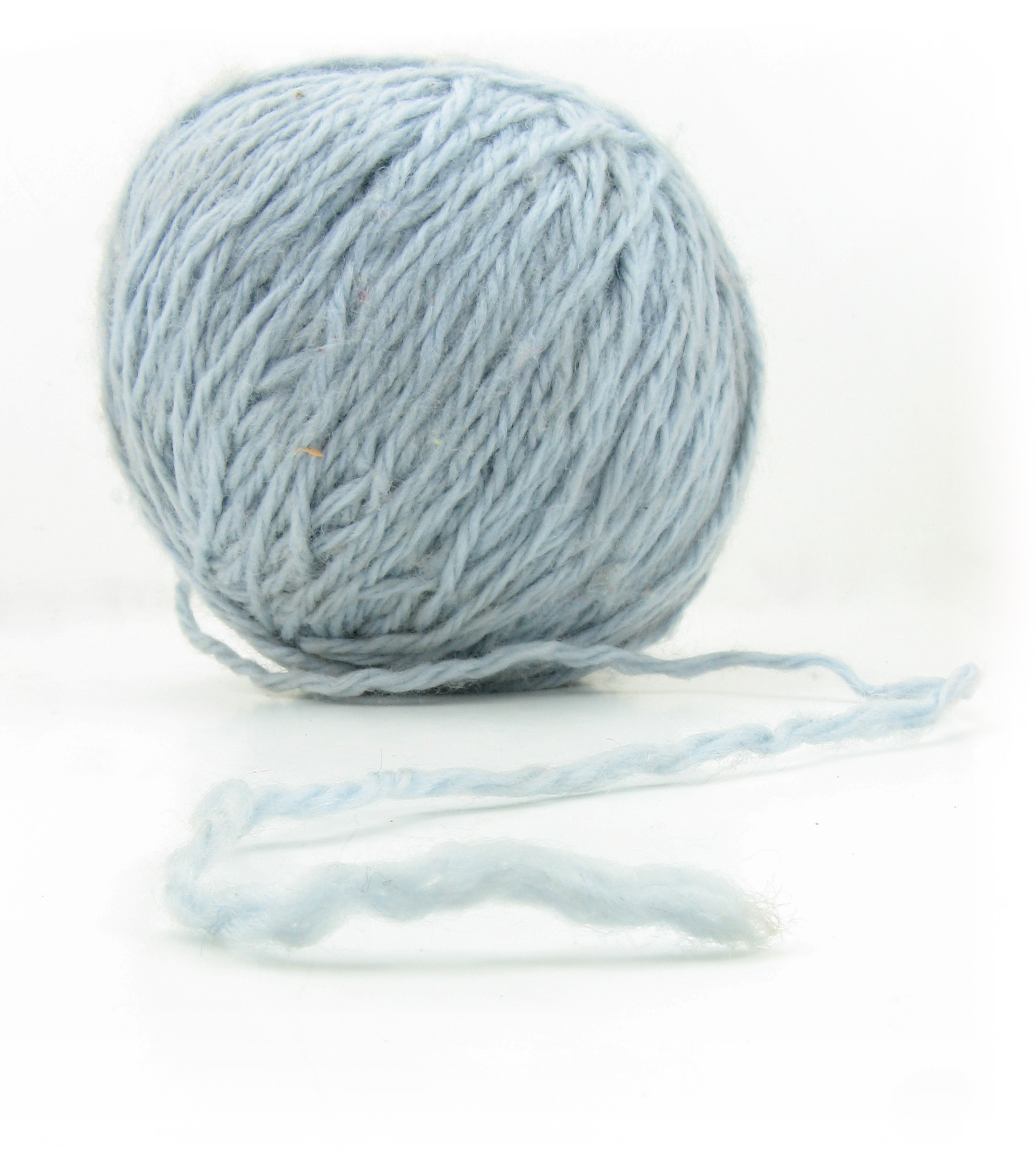 Change is hard for the majority of people. This is why obesity, diabetes, eating disorders, and other health problems are on the rise despite continued education and prevention efforts. Why do people continue to make unhealthy choices?
Part of the problem is that the solution is not as easy as simply taking a pill, avoiding a food, or following a diet for two weeks. A person making unhealthy choices often has a relationship with food that is like a length of yarn that has grown tangled and snarled with each unhealthy choice, assumption, action, or observation that person has made over their lifetime. Trying to untangle the ball all at once is near to impossible and many people don’t have the confidence or motivation to slowly untangle the knots one by one.
Children start their lives with a clear length of yarn and they deserve the right to reach adulthood with the same untangled piece of yarn. However, each time they experience unhealthy behaviors such as hearing cheers when they cleaned their plate or being scolded when they did not, watching someone mindlessly eating in front of the television, hearing someone complaining about their body, or being rewarded with food or given food for some reason other than hunger, a twist, a kink, a knot appears in their yarn. The more often this happens, the more snarled and dysfunctional their own ball of yarn becomes. Ultimately, they will find themselves an adult with a huge knotted ball of yarn that they can painstakingly work to unravel or can ignore and become buried under.
Think about your own relationship with your diet, your weight, and your health. Is it what you want for your child? Or, are you willing to slowly untangle one knot at a time and send your child into the world without their own snarl of yarn to trip them up?