Warning: Declaration of WPRandomPostsWidget::update($new_instance) should be compatible with WP_Widget::update($new_instance, $old_instance) in /home/aquick7/public_html/wp-content/plugins/wp-random-posts/randomposts.php on line 79
A Quick Bite
 

What’s Amy eating?

Written by amy on March 22nd, 2012

Still 70+ degrees, still grillin’.

Grilled portabello mushrooms ( marinated in 1/4 cup low sodium soy sauce, 1/4 cup balsamic vinegar, 3 tbsp olive oil, and fresh garlic)

Garden salad of greens, fresh dill, carrots, red bell pepper, cauliflower, and broccoli

Bean, corn, and quinoa salad (Saute’ 1 onion and garlic in canola oil until lightly browned.  Add 3/4 cup quinoa, 1 tsp cumin,  cayenne pepper to taste, and 1 1/2 cup vegetable broth.  Bring to a boil and then cover and simmer 20 minutes.  Add 2 cans of black beans (drained and rinsed) and 1 cup frozen corn.  Heat until warmed through.  Add 1/2 cup chopped fresh cilantro. Serve warm or chilled.)

Strawberries and grapes


What’s Amy eating?

Written by amy on March 19th, 2012

75 degrees in Vermont in March?  What?!  This means trouble for the ski season but it sounds good for all those who, like my carnivorous husband, are looking forward to the coming season – grill season.  Tonight was the first grill night of the year.

Grilled salmon filets and marinated boneless, skinless chicken tenders

Boiled red potatoes tossed with fresh dill

Roasted broccoli and cauliflower

Applesauce

Chocolate chip cheesecake topped with fresh strawberries


Happy Gut Bugs

Written by amy on March 19th, 2012

   The importance of a healthy balance of bacteria and yeasts in the digestive tract has been well documented by evidence-based reviews. This balance can help support the immune system as well as decrease inflammation in the gut, possibly helping with conditions such as cancer, irritable bowel disease, gastroenteritis, and diarrhea. 

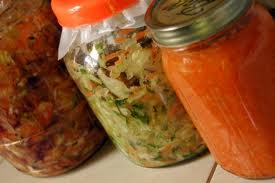
 One popular strategy for creating this balance is through the use of supplemental probiotics, taken in a pill form.  However, there is a second strategy that is less trendy despite long being celebrated by cultures throughout history and across the globe. Naturally fermented foods are dietary sources of live active cultures and including these regularly in the diet can reap more benefits than can be obtained through a supplemental, single strain of probiotics.  Fermented dairy foods, such as yogurt and cheese, are well known choices.  Fruits and vegetables, such as kimchi, chutneys and sauerkraut, may be less common in American cuisine but offer tasty options as well. 


Kimchi

1 head Napa  cabbage, cored and shredded

1 bunch spring onions, chopped

1 cup carrots, grated

½ cup daikon radish, grated (optional)

1 Tbsp freshly grated ginger

3 cloves garlic, peeled and minced

½ tsp dried chili flakes

1 tsp sea salt

4 Tbsp whey (if not available, use an additional 1 Tbsp salt)

Place all ingredients in a bowl and pound with a wooden mallet or meat hammer to release juices.  Place in a quart-sized, wide-mouthed mason jar and press down firmly with the mallet or hammer until juices come to the top of the cabbage.  The top of the vegetables should be at least 1 inch below the top of the jar.  Cover tightly and keep at room temperature for about 3 days before transferring to cold storage.

Source: Nourishing Traditions by Sally Fallon


Cuckoo for coconuts?

Written by amy on March 6th, 2012

     Coconut water, the clear juice found inside young coconuts, is one of the latest American health crazes. Should everyone be drinking it?

Coconut water does not contain any fat or cholesterol and is low in calorie – all three of which land coconut water smack dab in three big nutrition trends right now.  This explains some of the hype around coconut water. Coconut water does contain water, a little carbohydrate, a little sodium, and a lot of potassium. It is largely this high potassium content that is responsible for the rest of the hype.

Research shows that adequate potassium in the diet is essential for health.  However, potassium is also found in fruits and vegetables, which most people aren’t getting enough of.  Relying solely on coconut water as a source of potassium is not recommended because it will not provide the additional nutrients that can be obtained through fruits and vegetables.

Is this potassium content a huge benefit after exercise, as claimed by coconut water manufacturers? First, most people don’t exercise heavily enough to need an electrolyte replacement drink and would be fine with plain
water.  For those exercising strenuously, electrolytes are lost through sweat and replacing these would be beneficial.  However, the ratio of sodium to potassium in coconut water is not ideal for replenishing stores.  Coconut water has a lot of potassium and a little sodium and this is the opposite of what is needed after a hard workout.

On a side note, coconut oil, long recommended against due to its saturated fat content, may not be unhealthy as originally believed. The latest evidence shows that in the short-term, virgin coconut oil doesn’t have
the same harmful effects on cholesterol levels as other saturated fats.  It doesn’t seem to improve cholesterol levels as well as other plant oils, such as olive and canola oils, but it is no longer thought necessary to avoid coconut oil altogether.

Bottom line: Coconut water is not a miracle cure (because there isn’t one) nor should it be used as a water replacement; however, if the 3+ bucks a pop price tag doesn’t faze you, coconut water may be a refreshing
and nutritious beverage choice for you. If you are a heavy sweater and want to replenish your electrolytes after a heavy workout, grab a handful of pretzels and a bottle of water.  Stay tuned for
more research about coconut oil.  As always, moderation and mindful eating are always successful strategies for a healthy diet.


What’s Amy eating?

Written by amy on March 6th, 2012

Homemade Bean Burgers on  a whole wheat bun (recipe makes 8 so I froze 4 to use for dinner on another night)

Roasted Root Vegetables (Cubed apples, shallots, butternut squash, sweet potatoes, carrots, and idaho potatoes tossed with fresh sage, olive oil, pepper, and touch of dark brown sugar and then roasted until tender)

Green salad of spinach, carrots, and red bell peppers

Sliced apples

Ice Cream


What’s Amy eating?

Written by amy on February 28th, 2012

Tonight, I needed a make-ahead meal.  I knew I’d be home late after working at the ski mountain so I prepped this lasagna last night.  I also made an extra large salad for dinner last night to have leftovers available for dinner tonight.  And in case you were wondering, the skiing was fantastic!

Spinach and Black Bean Lasagna

Green salad with spinach, broccoli, red bell peppers, pumpkin seeds, and fresh dill

Sliced apples


Grocery Bill Blues

Written by amy on February 1st, 2012

    According to experts at the USDA, the steadily increasing food costs are again expected to rise in 2012.   Here are a few ways to reduce your household’s food costs:

1. Check out grocery store mailers for weekly sales.

2. Consider frozen fruits and vegetables if fresh produce isn’t on sale.  You won’t loss much in terms of nutrition but you can save on time and money.  Choose vegetables without added sauces which tend to contain unhealthy ingredients.

3. Use this grocery shopping list to help steer towards the healthier choices.  When in the store, stick to the list.  Avoid impulse purchases which often tend to be pricier and less healthy.

4. Don’t forget that food waste can play a huge part in driving up food costs.  Plan meals by using up the things you have on hand.  Sometimes the best place to shop is your own pantry or freezer.

5. Love your farmers – and the farmer’s market.  The local farmers markets can be a great way to stock up on fresh and often tastier fresh produce and goods. Negotiate for a lower price with a bulk purchase.  If you
shop late, you may be able to strike a deal by saving the farmer from having to pack up unsold goods.  Be a frequent shopper and the farmer may reward your loyalty with a price break.  And remember, sometimes the savings comes in the form of reduced health care costs as a result of a healthier diet.


The facts on flax

Written by amy on January 11th, 2012

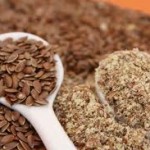
   Adding some to flax to your diet can be a great way to boost your omega-3 fatty acid intake.  Why is boosting your omega-3 fatty acid intake a good idea?  Omega-3 fatty acids fall into the category of “good” fats and a diet high in omega-3s has been linked to a lower risk for heart disease and possibly cancer. Flax can be used in the diet in either seed, meal, or oil form; the use and benefits will vary slightly depending on form chosen.

Seed:  When eaten as intact seeds, flaxseed largely pass through the GI tract undigested and serves more as a source of dietary fiber than omega-3s.  This is a different benefit to flaxseed but a benefit nonetheless.  Adding seeds to baked goods, oatmeal, or cooked vegetables are easy ways to incorporate them into your diet.

Meal:  When the seeds are ground into a meal, some of the fiber content is lost but this processing allows for the omega-3s to be available for absorption. Thus, flax in this form provides some fiber and some omega-3 benefits.   Flaxseed meal can be used as an egg replacement in baked goods.  To replace one whole egg,  mix 1 Tbsp meal with 3 Tbsp warm water.  Allow the mixture to sit for ten minutes to thicken slightly before use in the recipe.

Oil: In this form, all of the fiber has been removed and the oil is primarily a source of fatty acids.  Never cook with flaxseed oil; add the oil after foods have been heated or in cold dishes, such salad dressings.  Flaxseed oil can also be added to smoothies.


Food Bars

Written by amy on January 7th, 2012

The grocery store can be confusing and exhausting these days, particularly when straying from the produce department or the health-conscious co-op.  To help navigate the aisles, I’ll give you my pick each week on a different type of food that might be purchased in a standard grocery store.  Keep in mind, a healthy diet is based predominantly on whole, natural foods.  My pick is your best bet among brand-name products, not necessarily the best thing to eat.  Also, review the ingredients list periodically on these foods because brands frequently change their recipes without notification.

Amy’s picks from food bars:

     Larabar

     Kind

     gnu Foods flavor&fiber

Why: Snack bars have evolved into the mainstream in a big way, far beyond their beginning as those flavorless protein bars eaten primarily by serious athletes.  When purchasing snack bars, it is important to first look at the ingredients – do you recognize many of the foods?  Is the bar a mix of whole, real, foods that you could purchase on their own?  Larabars, for example, are made from dried fruits and nuts and thats it.   Whole foods = good choice.  The last on the list, gnu Foods bars, do have some derived ingredients, such as inulin, chicory root, and wheat protein isolates.  The first two are manufactured fibers which aren’t as high on my list as naturally occurring fibers.  However, the overwhelming number of whole foods in the ingredient list compensated and helped this bar eek into third place.  Another thing to consider when purchasing these bars is the purpose of the bar – convenient snack or meal replacement.  The calorie content of food bars varies greatly and some can pack a hefty punch.  Don’t assume that smaller bars mean smaller caloric loads.  General rule of thumb is to keep snacks around 100 calories.  A third thing to consider is the sweeteners used in the bar.  “Yogurt” coatings are generally best to be avoided.  Be aware of the many names sweeteners can take in the ingredient list –  corn sweetener, corn syrup, dehydrated cane juice, dextrin, dextrose, fructose, fruit juice concentrate, glucose, high-fructose corn syrup, honey, invert sugar, lactose, maltodextrin, malt syrup, maltose, maple sugar, molasses, raw sugar, rice syrup, rice dextrins, saccharose, sorghum, sorghum syrup, sucrose, treacle, turbinado sugar, and xylose.  Shew.  That was exhausting.  It may be easier to grab a handful of almonds and call it square.

 

What’s Amy eating?

Written by amy on January 6th, 2012

Cheese Raviolli

Roasted Root Vegetables (acorn squash, shallots, butternut squash, apples, parsnips – cubed, tossed with fresh sage, olive oil, and a pinch of dark brown sugar, and roasted until tender)

Spinach salad

Leftover christmas cookies (these need to leave my house asap because they call my name, testing my ability to practice what I preach)