Warning: Declaration of WPRandomPostsWidget::update($new_instance) should be compatible with WP_Widget::update($new_instance, $old_instance) in /home/aquick7/public_html/wp-content/plugins/wp-random-posts/randomposts.php on line 79
A Quick Bite
 

Sneak attacks in the cereal bar aisle

Written by amy on December 20th, 2010

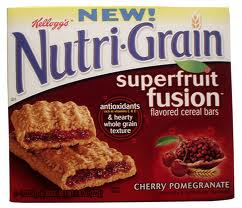
Kellogg’s Nutri-Grain bars have launched a new flavor of their popular snack bars, called “Superfruit Fusion Cherry Pomegrante”.  With a name like this in addition to images of cherries and pomegranate and an attention-grabbing claim of “Antioxidants & hearty whole grain texture” splattered over the front of the box, you might think that this bar is a healthy choice.  Sneaky Kellogg’s strikes again.

If you look closely, you can read that in fine print, the bars are only Superfruit Fusion flavored bars.  And, the cherry and pomegranate comes from only natural & artificial flavoring.    As you continue on reading the nutrition label, you will find that the boasted antioxidant content comes just from the vitamin C and E that Kellogg’s added to the bars.  Other not so healthy additions include high fructose corn syrup, which is in larger quantity in the bars than cherry puree concentrate. 

This sneak attack is not uncommon, especially among cereal bars.  Many so-called cereal bars contain much more sugar (hidden in the ingredients as evaporated cane juice, molasses, or tapioca syrup) than fruit.  So, what can you do when facing the cereal bar aisle at the grocery store?  Read closely and rely less on the flashy photos and claims that adorn most food products these days.
 

Edama-who?

Written by amy on December 15th, 2010

Also known as the soybean, edamame is seeing increased popularity in the United States.  Originally found in only Asian cuisine, this green vegetable is a fantastic source of lean protein, fiber, vitamin A, vitamin C, calcium, and iron.  To retain its freshness and flavor, edamame are often parboiled and quick-frozen.  They can be purchased whole or already shelled.  Shelled edamame can be used as a vegetable side dish, in soups, on salads, or as an alternative to corn and peas, which are lower in nutritional value. To eat as a snack, first boil whole edamame pods briefly in lightly salted water.  Then, use your fingers or teeth to squeeze the seeds directly from the pod into the mouth. Try a yummy and healthy handful yourself!


The family that eats together…

Written by amy on December 15th, 2010

Life is busy.  During the school year, evenings are quickly filled with work and sports schedules, games, homework, friends and ever-present chores.  While it can be hard to get the family together at the same time for dinner, the importance of a family meal is consistently demonstrated in research studies.  As summarized by Nancy Gibbs from Time Magazine, “studies show that the more often families eat together, the less likely kids are to smoke, drink, do drugs, get depressed, develop eating disorders and consider suicide, and the more likely they are to do well in school, delay having sex, eat their vegetables, learn big words and know which fork to use.”  Sounds pretty good.

If you are not already in the habit of sitting down together for at least one meal every day, start now.  Be flexible about mealtime – perhaps breakfast works best for your family’s schedule.  Pick a quick and easy meal.  It helps to plan a week’s menu in advance when grocery shopping to prevent last minute scrambles to get something together and to ensure that all necessary ingredients are on hand.  Encourage everyone in the family to help get the meal together so the labor does not fall on just one person.  Even young children can help with age-appropriate tasks such as putting silverware on the table.  Create conversation at meal time by having everyone share the best and worst part of their day.  And most importantly, turn off the television.


Your Ball of Yarn

Written by amy on December 15th, 2010

    Change is hard for the majority of people.  This is why obesity, diabetes, eating disorders, and other health problems are on the rise despite continued education and prevention efforts.  Why do people continue to make unhealthy choices?
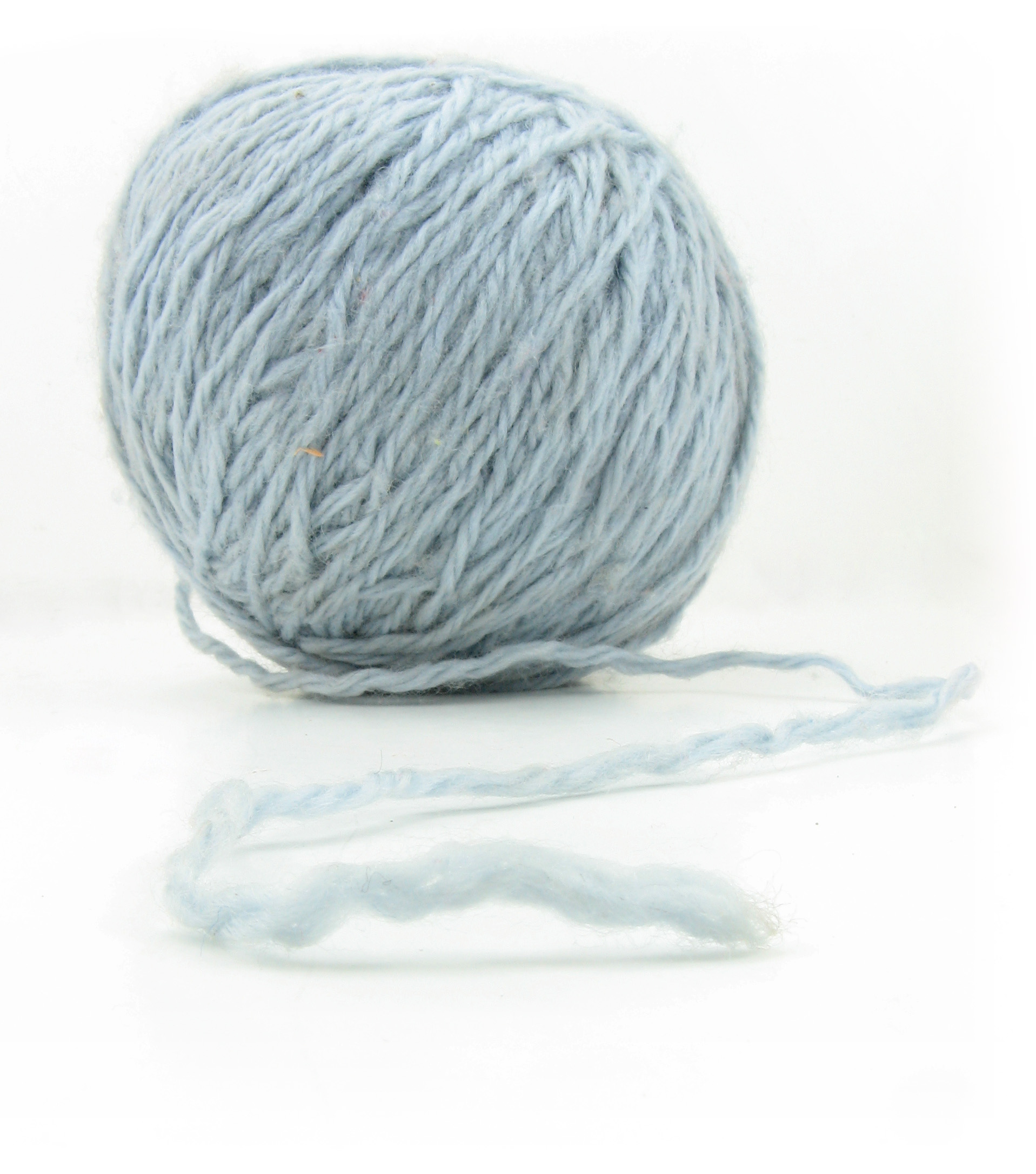
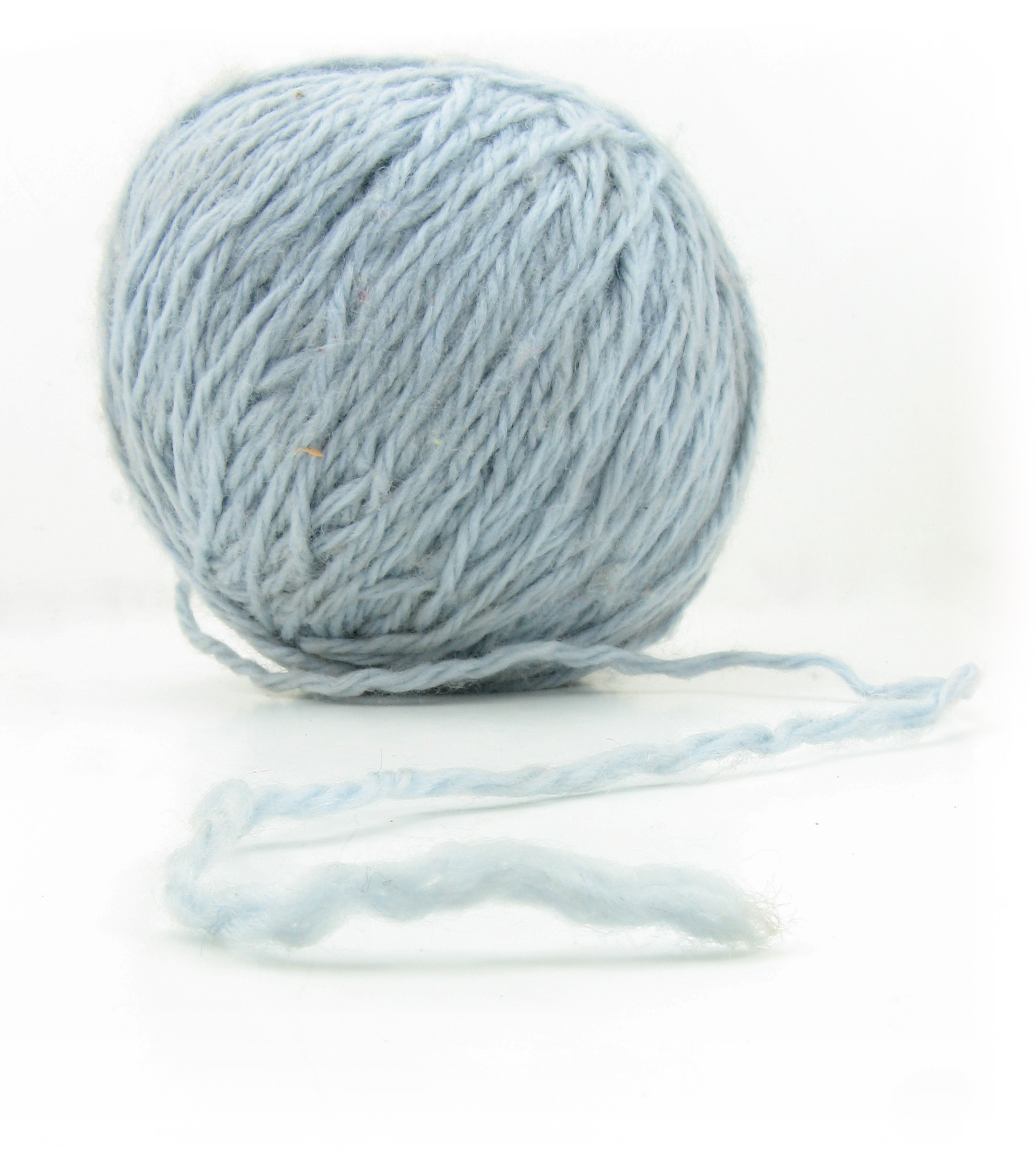
    Part of the problem is that the solution is not as easy as simply taking a pill, avoiding a food, or following a diet for two weeks.  A person making unhealthy choices often has a relationship with food that is like a length of yarn that has grown tangled and snarled with each unhealthy choice, assumption, action, or observation that person has made over their lifetime. Trying to untangle the ball all at once is near to impossible and many people don’t have the confidence or motivation to slowly untangle the knots one by one.
    Children start their lives with a clear length of yarn and they deserve the right to reach adulthood with the same untangled piece of yarn. However, each time they experience unhealthy behaviors such as hearing cheers when they cleaned their plate or being scolded when they did not, watching someone mindlessly eating in front of the television, hearing someone complaining about their body, or being rewarded with food or given food for some reason other than hunger, a twist, a kink, a knot appears in their yarn.  The more often this happens, the more snarled and dysfunctional their own ball of yarn becomes.    Ultimately, they will find themselves an adult with a huge knotted ball of yarn that they can painstakingly work to unravel or can ignore and become buried under.
    Think about your own relationship with your diet, your weight, and your health.  Is it what you want for your child?  Or, are you willing to slowly untangle one knot at a time and send your child into the world without their own snarl of yarn to trip them up?


Breakfast makes for a good morning

Written by amy on November 18th, 2010

Breakfast is only one meal of the day but in fact, it may be the most important meal of the day. Eating something early in the morning jump-starts the body’s metabolism, which promotes a healthier weight over time.  Eating breakfast can also help at school – boosting attention, making kids more alert and possibly behaving better during the day.  Some studies have even shown that kids that eat breakfast scored higher on tests. 

Unfortunately, 10% of kids and 30% of teens skip breakfast every day.  If your children fall into this group, here are a few tips to help make breakfast possible. 

  • Reset the alarm.  Give a few extra minutes to grab something to eat at home or arrive at school early enough for a school breakfast.
  • Plan ahead.  Set out something for breakfast the night before along with the backpack, lunch, gym shoes.
  • Have a grab-and-go available for those days when time seems to fly by.  Some healthy and fast breakfast ideas might be hard-boiled eggs, string cheese, yogurt, low fat granola bar, instant breakfast drink with skim milk, or a tortilla wrapped around a banana and some peanut butter.
 

Yogurt, a.k.a. the “New” candy

Written by amy on November 16th, 2010

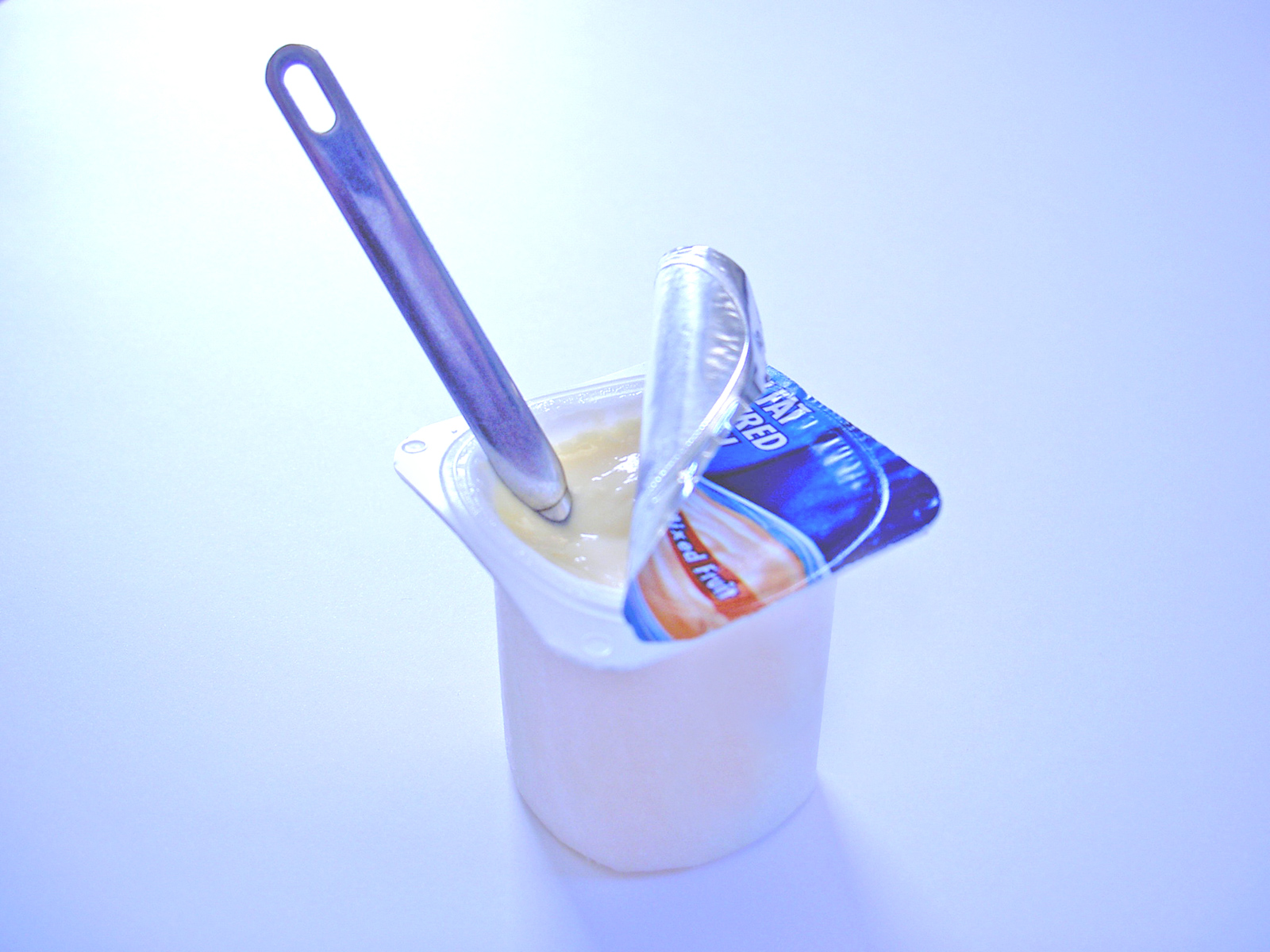
Yogurt quality varies considerably and many of the yogurts targeted at kids are no better than candy in a cup.   When grocery shopping for yogurt, make it an opportunity to educate your child on how food manufacturers use marketing techniques such as bright colors, cartoon characters, and fancy packaging to “trick” them into making nutritionally poor choices.  Show your child how to check the nutrition labels to choose a yogurt that is high in calcium and active yogurt cultures (such as L.Acidophilus, B.Bifidum, and L.Bulgariucus) and low in added sweeteners, colors, and artificial ingredients.    If your family still balks for a super-sweetened yogurt, try mixing in an increasingly larger portion of plain yogurt over time until their taste buds have adjusted.


The Apple Test

Written by amy on November 3rd, 2010

 I recently saw an advertisement which showed a large picture of a sad looking child’s face.  Above the child’s head were the words, “Wipe that ‘I hate fractions’ look off his face in less than 15 minutes” and at the bottom of the page, was a recipe for chocolate chip cookies.  The message behind that advertisement, that parents should offer cookies or food in general to cheer up a child having trouble with schoolwork, is one of the major reasons many children and adults have a dysfunctional relationship with food.  

Eating should be an enjoyable experience but only used to solve hunger-related problems.  More and more, people eat to solve emotion-related problems, such as boredom, sadness, anger, worry, etc.  Encourage your child to listen to their body and how it feels when it is hungry or full.  They should eat slowly at meals and stop eating at the point when they think they may be getting full.   Teach your child the apple test – if your child asks for food at a time when you think they may not be hungry, offer them an apple.  Often, they will not be interested in the apple if they are not truly hungry.  Also, parents should avoid using food as a reward or treat.   Doing so teaches children that food is a solution for more than hunger. 

 The next time you see the “I hate fractions” look on your child’s face, be a positive influence on your child and their relationship with food.  Offer to help with their math homework, give a few words of encouragement, or pull them in for a reassuring hug.  Everyone will benefit.


Marketing Techniques

Written by amy on October 20th, 2010

While introducing the new healthy foods display in the gym, the question and answer session veered towards different ways food manufacturers may entice people to buy their foods.  Students were very surprised to hear that bright colors, celebrity endorsements, and cartoon characters are used to sell the food.  As one student asked, “why don’t they just sell food that is good for us?”  This naiveté emphasizes that it is never too early to teach kids how to identify and not be taken in by marketing traps, particularly in regards to food.   Point out to your child, while grocery shopping or while watching TV commercials, the marketing techniques being used, such as the use of fun shapes or cartoon characters.   Encourage them to look beyond these gimmicks to decide whether or not the food is a healthy and desirable choice.


You Can Bet Your Butternut

Written by amy on October 19th, 2010

With a sweet, nutty taste similar to pumpkin, butternut squash can add color and nutritional value to your plate.  One cup of butternut squash provides 160% of the recommended dietary allowance for vitamin A.  It is also packed with vitamin C, manganese, calcium, potassium, and magnesium.  Roast it, toast it, mash it, add it to breads, muffins, soups, and casseroles.  Ah, if only my spouse could be quite so versatile.

Butternut Squash and Apple Puree

6 tbsp butter

1 medium onion, finely chopped

1 large butternut squash (about 2 ½ pounds), peeled, seeded, and cut into 1-inch cubes

4 Gala or sweet apples (about 2 pounds total), peeled, cored, and cut into 1-inch cubes

Heat 2 tbsp butter in large skillet over medium heat; add onion, and season with salt and pepper.  Cook, stirring occasionally, until softened, 3 to 5 minutes.

Add squash, apples, and 1 cup water.  Cover and simmer until squash is tender and most of the liquid is evaporated, 15 to 20 minutes.

Transfer squash mixture to a food processor.  Add remaining 4 tbsp butter; process until smooth.


I heart walnuts

Written by amy on October 5th, 2010

Look for walnuts featured on the lunch menu and snack cart this month.  Walnuts are chock full of protein, fiber, antioxidants, magnesium and phosphorus.   If you are thinking superfood, you are thinking right!  And, out of all nuts, walnuts contain the highest amount of alpha-linolenic acid (ALA), an omega-3 essential amino acid.  A diet rich in ALA has been found to reduce the risk of heart disease.  While heart disease is normally associated with adults, more and more children are being diagnosed with high cholesterol and the early stages of heart disease.  Everyone can benefit from one ounce of walnuts a day.  Have you had your handful?