Written by amy on March 23rd, 2011
 March is not only National Nutrition Month but it is also National Frozen Food Month. This is a perfect pairing, particularly given the tight pinch many are feeling in their wallets these days. Frozen fruits and vegetables are a great option when fresh produce is out of season or has a higher price tag. Don’t stress about nutrient quality of frozen foods. The losses can be small and overall, it is far better to choose a frozen fruit or vegetable than none at all. If you can though, choose bags in which the pieces are still individually frozen. A solid, ice-crusted bag, as seen in some freezer cases, suggests that lots of thawing and refreezing may have occurred and that the taste and quality are not as good.
- Top hot or cold breakfast cereal with a serving of frozen fruit.
- Use frozen broccoli florets as a topping for pizza or a baked potato.
- Boost the nutrient content of canned soups by pouring in some frozen vegetables while heating.
- Use frozen fruit in place of ice cubes to cool your drink.
- Whip up a last minute fruit dessert with a scoop of plain yogurt, a combination of frozen fruit and a sprinkling of mini-chocolate chips.
- Green up some scrambled eggs or frittata with some thawed, drained, and squeezed frozen spinach.
- Create a quick weekday stir-fry by sauting frozen mixed vegetables with a little low-sodium soy sauce and chicken cutlets. Serve atop brown rice.
Posted in Dietary Guidelines, Newsletter Articles | No Responses »
Written by amy on March 22nd, 2011
A soggy, cold spring (?) day. On a day like today, nothing sounds better than a hot bowl soup. Unless, of course, you ask my children who would give the usual macaroni and cheese request. What is it about macaroni and cheese??
This soup is pretty straightforward and only requires the hour plus cooking time to allow time for the lentils to soften.
French Lentil Soup
Grilled Cheese
Steamed Broccoli
Applesauce
Posted in What's Amy Eating? | No Responses »
Written by amy on March 19th, 2011
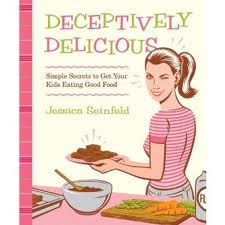 By now, most people have heard of Jessica Seinfeld’s cookbook, entitled Deceptively Delicious. In it, she provides recipes and techniques for sneaking vegetables into foods that don’t normally contain vegetables. The popularity of this cookbook shows that many parents are struggling with their child’s vegetable intake, or lack thereof. Unfortunately, hiding vegetables, as described in this cookbook, will not fix the problem. Sure, your child might get in some extra vitamin C from the pureed spinach hidden in the blueberry crumb bar. But will that create a child with healthy eating habits? Absolutely not. Instead, kids learn that vegetables are bad and need to be disguised or hidden in another food in order to taste good.
Hiding vegetables is a temporary band-aid. A long term solution requires more patience, time, and consistency around food. Offer, offer, and continue to offer vegetables to show that they are an important part of meals and snacks every day. Be a role model and enjoy vegetables yourself without complaining. Avoid the “one more bite” battle and remain neutral about the amount your child does or does not eat. It is okay to have a family rule that every food must be tasted but allow them to regulate their intake.
If it makes you feel better to hide vegetables in other foods, do it but do it in addition to everything else. If nothing else, it will at least relieve the guilt and worry that comes all too easily with parenthood.
Posted in Newsletter Articles, Nutrition for Parents | No Responses »
Written by amy on March 9th, 2011
An important topic to stress, given this year’s national nutrition month’s theme is to increase color in your diet, is the importance of adding color naturally. Colorful foods have long been known to be more appealing and food manufacturers have attempted to capitalize on this fact by enhancing the color of the foods they sell. Hence, the birth of color additives. Color additives are fairly widespread. Without them, cola wouldn’t be brown, margarine wouldn’t be yellow, and farmed salmon wouldn’t be pink.
There are two basic types of color additives. Some are pigments that come from natural sources, such as vegetables, minerals, or animals. A few examples of these are annatto extract, dehydrated beets, paprika, and caramel. Other color additives are synthetically produced and as such, are subject to approval by the FDA based upon research. It is these color additives of which to be aware. Yes, they are approved but given the fact that they are still artificial additives and some research is controversial, it is wise to monitor your intake and choose natural colors as much as possible. Artificial colorings most controversial include Red 3, Yellow 5, and Yellow 6.
It is interesting to note that different versions of the same foods are sold in the United States compared to Europe due to a stricter policy in Europe on artificial colorings. This begs the question, why the need for artificial coloring in the US if it looks just as well using natural colors? Increased public pressure on the FDA may help change their policy. Until then, is it really worth the risk to have a green colored mint ice cream?
Posted in Dietary Guidelines, Newsletter Articles | No Responses »
Written by amy on March 2nd, 2011
 March is national nutrition month and this year’s theme is “Eat Right with Color!” What exactly does that mean? Adding a colorful variety of foods to your plate also adds more nutrients. This is because the pigments that give foods their bright colors are associated with many potential health benefits. Each color has a different benefit to the body so it is important to eat a variety of colors to receive the entire rainbow of benefits. For example, the red in foods such as cherries and tomatoes is an antioxidant in the body, reducing damage done to cells. It also helps prevent heart disease, cancer, and reduces the skin damage from the sun. The green in fruits and vegetables, such as avocado, celery, and spinach, helps with vision and lowering cancer risks. Purple and blue fruits and vegetables also have antioxidant benefits and may help with memory, anti-aging, and reducing cancer risks. Even white fruits and vegetables such as cauliflower, white peaches, and mushrooms may promote heart health and prevent cancer.
Posted in Dietary Guidelines, Newsletter Articles | No Responses »
Written by amy on February 26th, 2011
Kales, and all dark green leafy vegetables such as collards, turnips, mustard greens, and Swiss chard, are a must-have for your grocery card. These nutritional superstars are chock full of vitamins A, C, and K, folate, magnesium, potassium, calcium, iron, lutein, and fiber. Kale can be one of the milder tasting greens so if you and your family are new to dark green leafys, this one is a nice place to start.
Kale Chips
Rinse fresh kale and remove excess moisture with paper towels. Remove and discard any tough stems and ribs from the leaves. Tear into bite-size pieces. Toss lightly in olive oil and season to taste with salt and pepper. Spread in a single layer on a baking sheet and bake in 375o oven until crispy, about 5-10 minutes.
Optional dip: Mix together 1 cup plain Greek yogurt, ½ tsp onion powder, ½ tsp garlic powder, and 1/8 tsp salt.
Posted in Dietary Guidelines, Newsletter Articles, Nutrition for Parents | No Responses »
Written by amy on February 2nd, 2011
At this time of year, seasonal and local selection of fresh produce can be limited. But that is no reason for you and your child not to meet you 2-3 servings of fruit per day. Canned fruit offers a low cost alternative to fresh produce. However, not all canned fruit is nutritionally the same, largely due to the liquid in which the fruit is packed.
Canned fruit is available in heavy syrup, lite syrup, or fruit juice. Always opt for the fruit canned in fruit juice. The heavy syrup packs a whopping 11 sugar cubes (23 grams) of sugar in a serving and at 6 sugar cubes (13 grams) per serving, lite syrup isn’t quite as lite as it sounds. Make small steps in your diet to see large improvements in your health and wellness.
Posted in Newsletter Articles | No Responses »
Written by amy on January 26th, 2011
Cold. Snowy. Only 30 minutes until dinner time. Sounds like a perfect night for a hot and healthy bowl of Black Bean Soup. Pair this recipe with a quesadilla and tossed salad for a well balanced, low fat, nutritious, and easy-to-prepare meal.
2 tablespoons olive oil
1 onion, chopped
1 carrot, chopped
4 garlic cloves, chopped
2 teaspoons ground cumin
1 to 2 teaspoons chopped jalapeno chile pepper (optional)
2 (15 -16 oz) cans black beans, undrained
1 (15 oz) can diced tomatoes in juice
1 ½ cup low-salt chicken broth
Heat oil in heavy large pot over medium-high heat. Add onion, carrot, and garlic; sauté until vegetables begin to soften, ~6 minutes. Mix in cumin, beans, tomatoes with juice, and broth. If some spice is desired, add 1 teaspoon jalapeno. Bring to a boil. Then reduce heat to medium, cover, and cook until carrots are tender, ~15 minutes. Puree in blender until smooth. Return puree to pot and continue simmering until thickened, ~15 minutes. Season to taste with pepper, salt, and extra jalapeno, if desired.
Posted in Newsletter Articles | No Responses »
Written by amy on January 26th, 2011
 A quick scan around the cafeteria during lunchtime shows that many of our children are packing a poorly balanced lunch. Crackers, popcorn, chips and cookies are plentiful while fruits and vegetables are not quite as common. And while this is not unusual in many American lunches, it is also not healthy.
Many kids (and adults) tend to base their meals on starches, such as breads, crackers, pastas, and chips. The problem is that these starches are often in excess in diets, especially among children who frequently snack on starches. Eating excess starches also displaces other foods such as fruits, vegetables, and proteins which are usually lacking in diets. Change this habit early on and teach your child basic healthy meal planning with the Fruit-Vegetable-Protein (F-V-P) method.
When packing a lunch, the first three foods that should be chosen are the fruit, the vegetable, and the protein. Choosing these first underlines their importance in the diet and ensures that they are not forgotten. Your child may want their protein paired with a starch, such as with a ham sandwich (ham=protein, bread=starch) and that is okay. The important thing is that the protein is chosen first and the starch is added on.
Print off this handout to help send your child to school with a F-V-P that has been packed with some TLC.
Posted in Newsletter Articles, Nutrition for Parents | No Responses »
Written by amy on January 13th, 2011
 While a Quick Bite will not give this topic justice, it is important to discuss because body image issues and eating disorders are becoming more prevalent among younger and younger children. As early as the first grade, children are voicing concern about weight and body shape. And, with today’s widespread use and reach of technology, the media and cultural influences have an even greater effect on this generation than for older generations. For example, a quick Google search easily locates numerous websites and youtube videos on how to become anorexic. Furthermore, with so many messages in the media about food, what to eat, what not to eat, and how your body should look, it is easy for parents and children alike to become confused and food phobic.
Here are four things that parents can do to help their children develop a healthy, happy relationship with food.
- Model a healthy relationship with food to your children. The act of cooking or spending mealtimes together should be enjoyable. Food itself however should not be attached to emotions or benefits beyond solving hunger pains.
- Listen to your children. If your child makes a negative comment about their body, start a discussion. Try not to underestimate casually made statements about peers, including comments about seeking acceptance and approval.
- Teach your child to be a critical consumer of media and to be immune to the steady stream of media messages. Cancel subscriptions to fashion magazines.
- Be aware of “harmless” comments that may add to your child’s concerns and misconceptions. Be careful not to complain about your own weight. Instead promote healthy lifestyle through physical activity and healthy eating habits.
Posted in Newsletter Articles, Nutrition for Parents | No Responses »

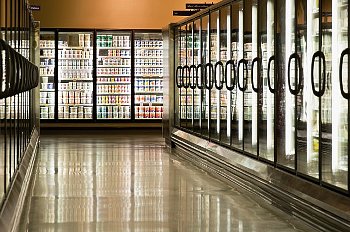 March is not only National Nutrition Month but it is also National Frozen Food Month. This is a perfect pairing, particularly given the tight pinch many are feeling in their wallets these days. Frozen fruits and vegetables are a great option when fresh produce is out of season or has a higher price tag. Don’t stress about nutrient quality of frozen foods. The losses can be small and overall, it is far better to choose a frozen fruit or vegetable than none at all. If you can though, choose bags in which the pieces are still individually frozen. A solid, ice-crusted bag, as seen in some freezer cases, suggests that lots of thawing and refreezing may have occurred and that the taste and quality are not as good.