
 It has been a few months since Consumer Reports released a surprising study that found potentially dangerous levels of arsenic in domestic rice and rice products. Currently, rice is not held to enforced arsenic standards as exist for arsenic in water and so Consumer Reports, in their issue, called on the Food and Drug Administration (FDA) to act. In response, the FDA has commissioned a study to determine if more stringent restrictions are needed. Results from this study can be expected this year and early results have confirmed arsenic levels similar to those cited by Consumer Reports.
Of importance is the type of arsenic being found in these foods. There are two forms of arsenic, organic and inorganic. Although there is health concern for each type, inorganic arsenic is considered the most harmful and is classified as a Group 1 carcinogen by the International Agency for Research on Cancer, a division of the World Health Organization. Long term exposure to Group 1 carcinogens are associated with higher rates of
cancer.
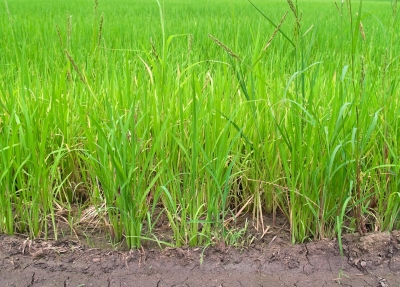
The origin of rice appears to be a major factor in the amount of arsenic it contains. Rice is grown in flooded areas and will absorb compounds from soil and water, including arsenic if it is present. The majority
of rice grown in the United States is grown in the south-central part of the country. In this area, there are high levels of inorganic arsenic in the soil due to historically widespread use of pesticides and fertilizers on cotton farms.
Rice safety is especially important for anyone following a diet in which rice is a staple, such as the traditional Asian, Latin diet, or gluten-free diet. At this time, the FDA does not suggest changing your consumption of rice but rather to expand your grain intake to include a wider variety of grains. Many health experts suggest otherwise. To err on the safe side until larger, widespread studies are conducted, follow these suggestions to lower your risk:
- Limit weekly intake of rice to less than 1 cup for kids, less than 11 ½ cups for adults
- Choose rice wisely. Imported basmati and jasmine rice have been found to have lower arsenic levels than rice grown in the US. If purchasing brown rice, choose rice grown in California or India which has also been shown to have lower levels of arsenic.
- Cook and drain rice like pasta. Cook rice in more water than usual and then drain off extra water when rice is done.
- Rinse rice 4 to 6 times prior to cooking, provided your town’s water level is not high in arsenic.
- Consider switching your child from rice milk and limit infant rice cereal to ¼ cup per day.