
While introducing the new healthy foods display in the gym, the question and answer session veered towards different ways food manufacturers may entice people to buy their foods. Students were very surprised to hear that bright colors, celebrity endorsements, and cartoon characters are used to sell the food. As one student asked, “why don’t they just sell food that is good for us?” This naiveté emphasizes that it is never too early to teach kids how to identify and not be taken in by marketing traps, particularly in regards to food. Point out to your child, while grocery shopping or while watching TV commercials, the marketing techniques being used, such as the use of fun shapes or cartoon characters. Encourage them to look beyond these gimmicks to decide whether or not the food is a healthy and desirable choice.
Newsletter Articles
...now browsing by category

I heart walnuts
Tuesday, October 5th, 2010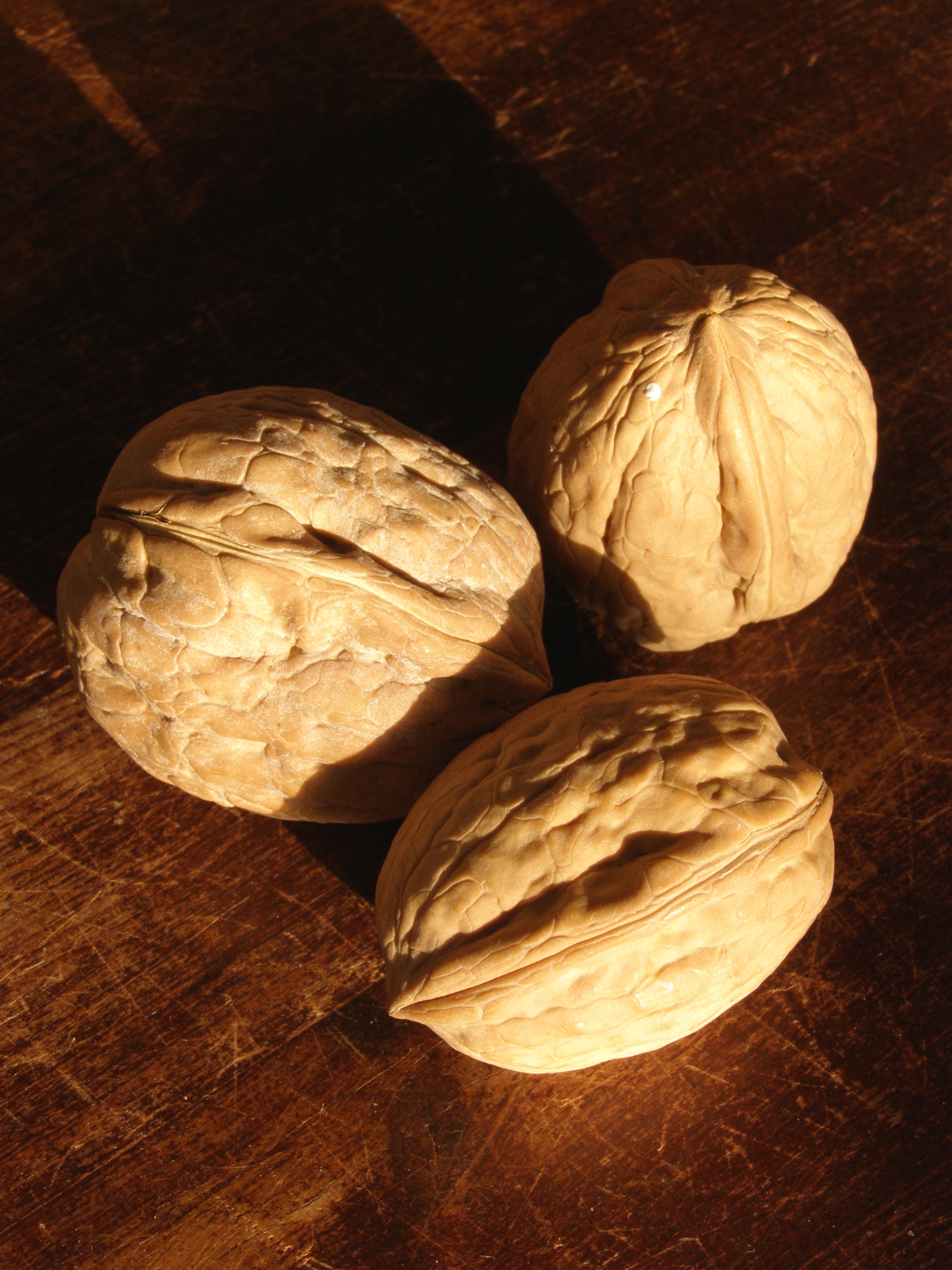 Look for walnuts featured on the lunch menu and snack cart this month. Walnuts are chock full of protein, fiber, antioxidants, magnesium and phosphorus. If you are thinking superfood, you are thinking right! And, out of all nuts, walnuts contain the highest amount of alpha-linolenic acid (ALA), an omega-3 essential amino acid. A diet rich in ALA has been found to reduce the risk of heart disease. While heart disease is normally associated with adults, more and more children are being diagnosed with high cholesterol and the early stages of heart disease. Everyone can benefit from one ounce of walnuts a day. Have you had your handful?

Breakfast Cereals
Sunday, October 3rd, 2010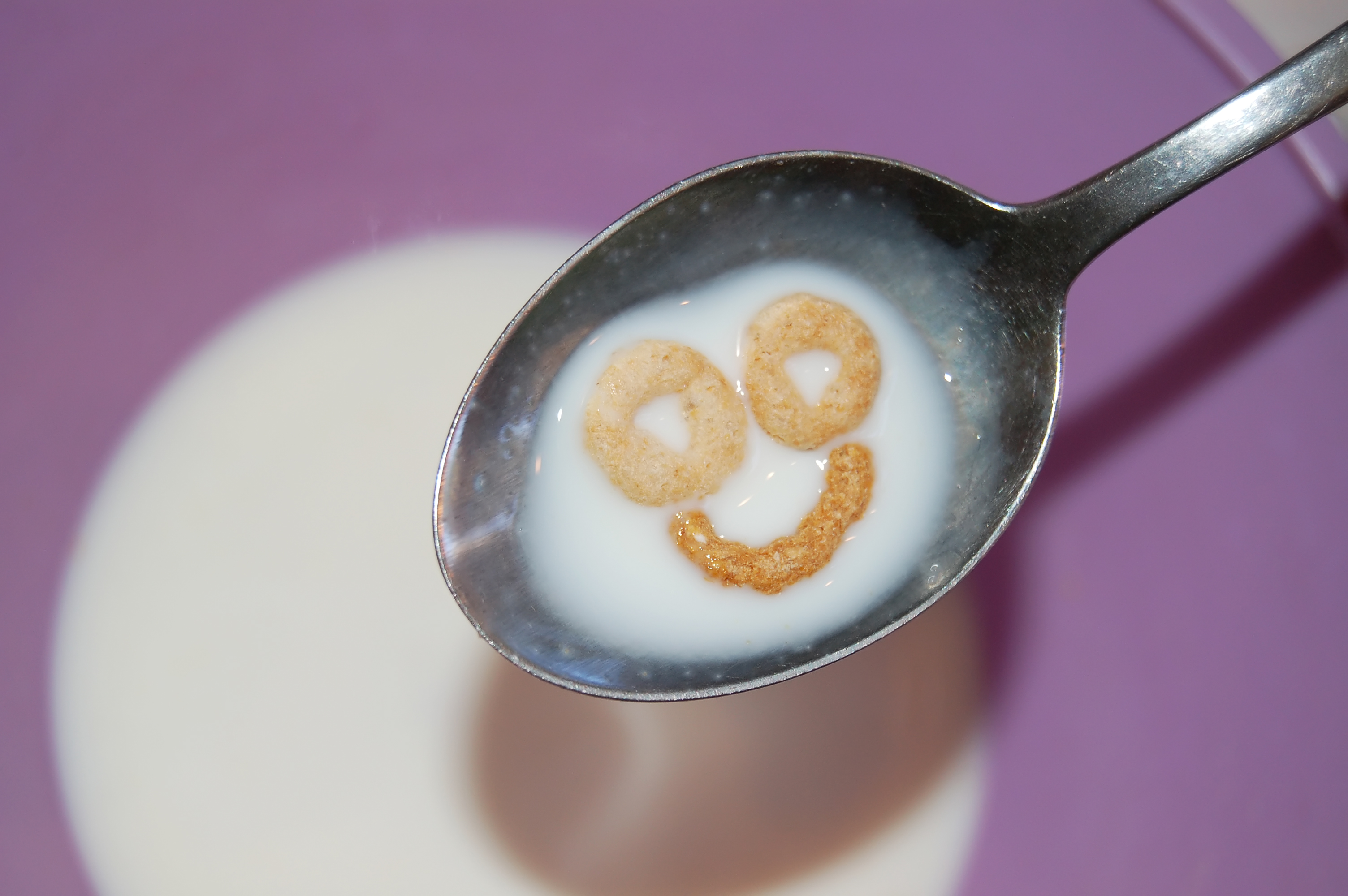 General Mills, the maker of Coco Puff, Lucky Charms, and Trix, just announced that they will be decreasing the sugar content in 10 of their breakfast cereals. They gave no specifics on how much the sugar will be cut or when the changes will occur but it will likely be sometime over the next two years.

Even though dropping the sugar content is a step in the right direction, there are still plenty of unhealthy sugary cereals vying for children’s attention. Consider the sugar content in two of General Mill’s cereals, two which will not be changed – “Boo Berry” and “Franken Berry” cereals. They each contain 14 grams sugar per serving or, 7 sugar cubes in one cup!
According to a recent study conducted by the Rudd Center, the cereals most aggressively marketed to children are the often the least healthy cereals. Make this your breakfast meal topic tomorrow morning and start your child on the path to becoming an educated consumer.
The spectrum of food
Sunday, September 12th, 2010 As mentioned last week, foods can be classified into a range of nutritional value. On one end, you have the healthiest foods and moving towards the other end, there is a gradual decrease in healthiness until reaching the most unhealthy foods. The foods on the healthy end of the spectrum tend to be whole foods, i.e. as close as possible to the way nature made them. These foods are fruits, vegetables, whole grains, and lean proteins. As these foods are processed and “tweaked” more and more from their natural state, they move down the health spectrum towards the unhealthy range. As the foods are processed more and more, their nutritional value tends to decrease due to the added artificial colors, preservatives, trans fats, and excessive amounts of sugars and sodium. Keep this spectrum in mind when choosing foods.
Nutrition Rule #1
Sunday, September 5th, 2010 There are a number of core concepts that form the basis of a healthy relationship with food. The first important rule is that there are no forbidden foods. Key to be healthy is the frequency with which certain foods are eaten. Foods range from the absolute most nutritious to the absolute least nutritious. All foods fall within this range and can be included in the diet. The more often you and your family choose foods towards the end of most nutritious foods, the healthier the diet will be. Even though you may cringe at the thought of your child eating certain foods (picture a greasy fried Twinkie at the Addison Fair), reassure yourself that it is the overall quality of the diet that matters. Also, keep in mind that healthy eating includes the actual foods eaten as well as the emotions tied to the foods eaten or not eaten. Having certain foods that are forbidden to be eaten can increase the attraction and draw of these foods.

Hydrating via the pee test
Thursday, May 20th, 2010 Temperatures are rising and spring sports are in full swing. Now is a great time to remind kids about staying hydrated. The average child needs 48 ounces of water daily (six 8 oz cups.) Add to that an additional 8 ounces of water for each half hour of strenuous activity. Is your child drinking enough? A great way to teach children how to check their hydration status is by telling them about the pee test. Having near colorless and odorless urine and having to urinate frequently are signs of good hydration. Thus, your child can tell that its time to drink more if they don’t have to urinate often or have dark yellow colored or strong smelling urine.
Be sure to help you child choose their drinks wisely. Good old water is all that is need for day to day hydration. Water is also adequate for athletic activities less than 1 hour in length. There are a bevy of beverages available these days – fruit drinks, sports drinks, enhanced “waters” – but these for the most part are unnecessary and provide empty calories. Sports drinks and diluted 100% fruit juice can be useful for strenuous activities greater than an hour. When exercising continuously for this length of time, the sugar and electrolytes in these drinks provide additional fuel to muscles. After strenuous exercise, encourage you child to drink a glass of milk. The protein and carbohydrate in milk will help with recovery.


