Warning: Declaration of WPRandomPostsWidget::update($new_instance) should be compatible with WP_Widget::update($new_instance, $old_instance) in /home/aquick7/public_html/wp-content/plugins/wp-random-posts/randomposts.php on line 79
A Quick Bite » Newsletter Articles
 

Newsletter Articles

...now browsing by category


Black Bean Soup

Wednesday, January 26th, 2011

  Cold.  Snowy.  Only 30 minutes until dinner time.  Sounds like a perfect night for a hot and healthy bowl of Black Bean Soup.  Pair this recipe with a quesadilla and tossed salad for a well balanced, low fat, nutritious, and easy-to-prepare meal.

2 tablespoons olive oil

1 onion, chopped

1 carrot, chopped

4 garlic cloves, chopped

2 teaspoons ground cumin

1 to 2 teaspoons chopped jalapeno chile pepper (optional)

2 (15 -16 oz) cans black beans, undrained

1 (15 oz) can diced tomatoes in juice

1 ½ cup low-salt chicken broth

Heat oil in heavy large pot over medium-high heat.  Add onion, carrot, and garlic; sauté until vegetables begin to soften, ~6 minutes.  Mix in cumin, beans, tomatoes with juice, and broth.  If some spice is desired, add 1 teaspoon jalapeno.  Bring to a boil. Then reduce heat to medium, cover, and cook until carrots are tender, ~15 minutes.  Puree in blender until smooth.  Return puree to pot and continue simmering until thickened, ~15 minutes.  Season to taste with pepper, salt, and extra jalapeno, if desired.

FVP

Wednesday, January 26th, 2011

A quick scan around the cafeteria during lunchtime shows that many of our children are packing a poorly balanced lunch.  Crackers, popcorn, chips and cookies are plentiful while fruits and vegetables are not quite as common.  And while this is not unusual in many American lunches, it is also not healthy. 

 Many kids (and adults) tend to base their meals on starches, such as breads, crackers, pastas, and chips.  The problem is that these starches are often in excess in diets, especially among children who frequently snack on starches.  Eating excess starches also displaces other foods such as fruits, vegetables, and proteins which are usually lacking in diets.  Change this habit early on and teach your child basic healthy meal planning with the Fruit-Vegetable-Protein (F-V-P) method.  

When packing a lunch, the first three foods that should be chosen are the fruit, the vegetable, and the protein.   Choosing these first underlines their importance in the diet and ensures that they are not forgotten.  Your child may want their protein paired with a starch, such as with a ham sandwich (ham=protein, bread=starch) and that is okay.  The important thing is that the protein is chosen first and the starch is added on. 

Print off this handout to help send your child to school with a F-V-P that has been packed with some TLC.

Nurturing a healthy body image

Thursday, January 13th, 2011

While a Quick Bite will not give this topic justice, it is important to discuss because body image issues and eating disorders are becoming more prevalent among younger and younger children.  As early as the first grade, children are voicing concern about weight and body shape.   And, with today’s widespread use and reach of technology, the media and cultural influences have an even greater effect on this generation than for older generations.  For example, a quick Google search easily locates numerous websites and youtube videos on how to become anorexic.  Furthermore, with so many messages in the media about food, what to eat, what not to eat, and how your body should look, it is easy for parents and children alike to become confused and food phobic.

Here are four things that parents can do to help their children develop a healthy, happy relationship with food.

  1. Model a healthy relationship with food to your children.  The act of cooking or spending mealtimes together should be enjoyable. Food itself however should not be attached to emotions or benefits beyond solving hunger pains.   
  2. Listen to your children.  If your child makes a negative comment about their body, start a discussion.  Try not to underestimate casually made statements about peers, including comments about seeking acceptance and approval.
  3. Teach your child to be a critical consumer of media and to be immune to the steady stream of media messages.  Cancel subscriptions to fashion magazines. 
  4. Be aware of “harmless” comments that may add to your child’s concerns and misconceptions.  Be careful not to complain about your own weight.  Instead promote healthy lifestyle through physical activity and healthy eating habits.

Sneak attacks in the cereal bar aisle

Monday, December 20th, 2010

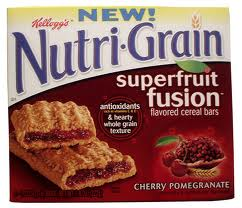
Kellogg’s Nutri-Grain bars have launched a new flavor of their popular snack bars, called “Superfruit Fusion Cherry Pomegrante”.  With a name like this in addition to images of cherries and pomegranate and an attention-grabbing claim of “Antioxidants & hearty whole grain texture” splattered over the front of the box, you might think that this bar is a healthy choice.  Sneaky Kellogg’s strikes again.

If you look closely, you can read that in fine print, the bars are only Superfruit Fusion flavored bars.  And, the cherry and pomegranate comes from only natural & artificial flavoring.    As you continue on reading the nutrition label, you will find that the boasted antioxidant content comes just from the vitamin C and E that Kellogg’s added to the bars.  Other not so healthy additions include high fructose corn syrup, which is in larger quantity in the bars than cherry puree concentrate. 

This sneak attack is not uncommon, especially among cereal bars.  Many so-called cereal bars contain much more sugar (hidden in the ingredients as evaporated cane juice, molasses, or tapioca syrup) than fruit.  So, what can you do when facing the cereal bar aisle at the grocery store?  Read closely and rely less on the flashy photos and claims that adorn most food products these days.

Edama-who?

Wednesday, December 15th, 2010

Also known as the soybean, edamame is seeing increased popularity in the United States.  Originally found in only Asian cuisine, this green vegetable is a fantastic source of lean protein, fiber, vitamin A, vitamin C, calcium, and iron.  To retain its freshness and flavor, edamame are often parboiled and quick-frozen.  They can be purchased whole or already shelled.  Shelled edamame can be used as a vegetable side dish, in soups, on salads, or as an alternative to corn and peas, which are lower in nutritional value. To eat as a snack, first boil whole edamame pods briefly in lightly salted water.  Then, use your fingers or teeth to squeeze the seeds directly from the pod into the mouth. Try a yummy and healthy handful yourself!

The family that eats together…

Wednesday, December 15th, 2010

Life is busy.  During the school year, evenings are quickly filled with work and sports schedules, games, homework, friends and ever-present chores.  While it can be hard to get the family together at the same time for dinner, the importance of a family meal is consistently demonstrated in research studies.  As summarized by Nancy Gibbs from Time Magazine, “studies show that the more often families eat together, the less likely kids are to smoke, drink, do drugs, get depressed, develop eating disorders and consider suicide, and the more likely they are to do well in school, delay having sex, eat their vegetables, learn big words and know which fork to use.”  Sounds pretty good.

If you are not already in the habit of sitting down together for at least one meal every day, start now.  Be flexible about mealtime – perhaps breakfast works best for your family’s schedule.  Pick a quick and easy meal.  It helps to plan a week’s menu in advance when grocery shopping to prevent last minute scrambles to get something together and to ensure that all necessary ingredients are on hand.  Encourage everyone in the family to help get the meal together so the labor does not fall on just one person.  Even young children can help with age-appropriate tasks such as putting silverware on the table.  Create conversation at meal time by having everyone share the best and worst part of their day.  And most importantly, turn off the television.

Your Ball of Yarn

Wednesday, December 15th, 2010

    Change is hard for the majority of people.  This is why obesity, diabetes, eating disorders, and other health problems are on the rise despite continued education and prevention efforts.  Why do people continue to make unhealthy choices?
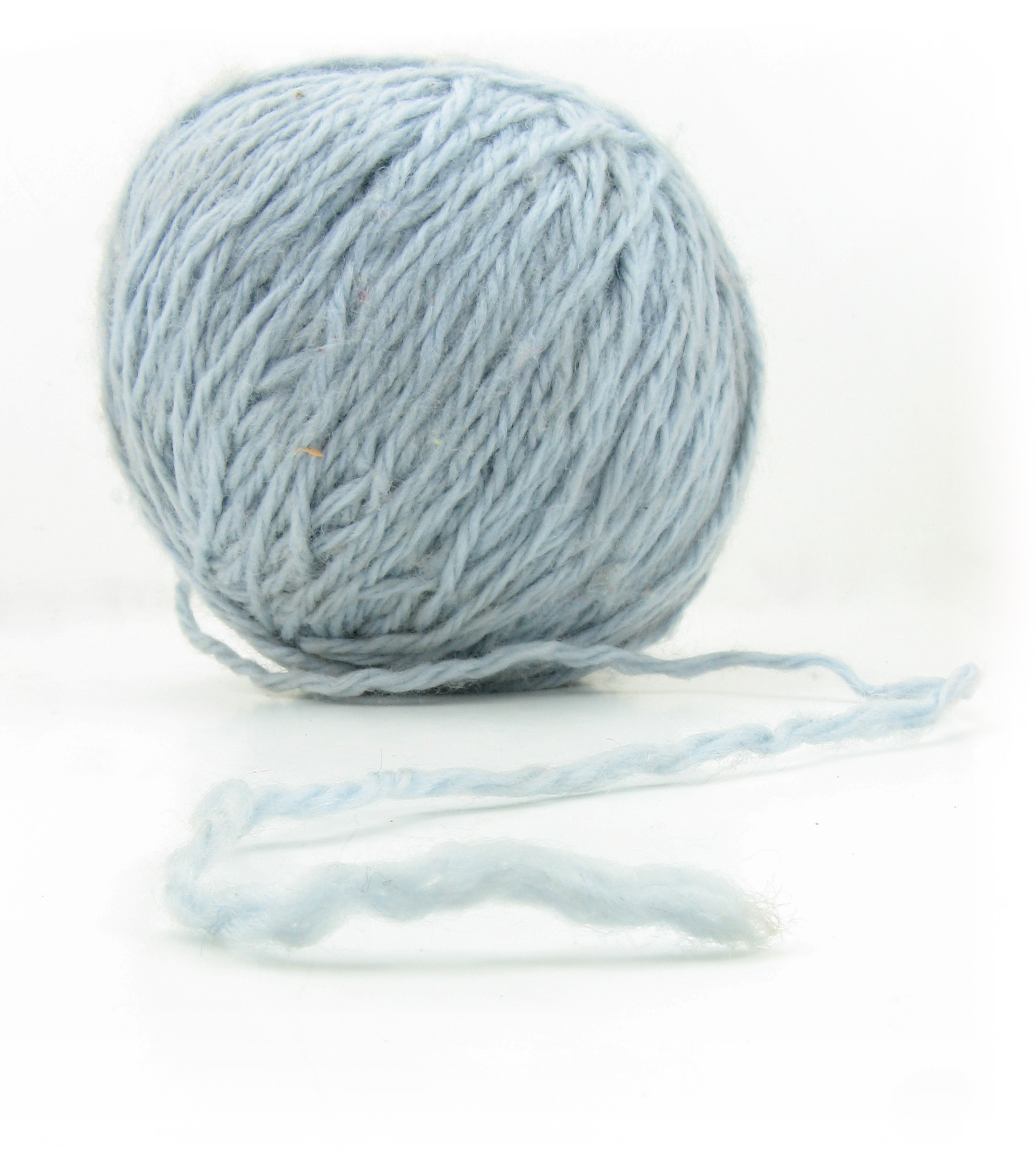
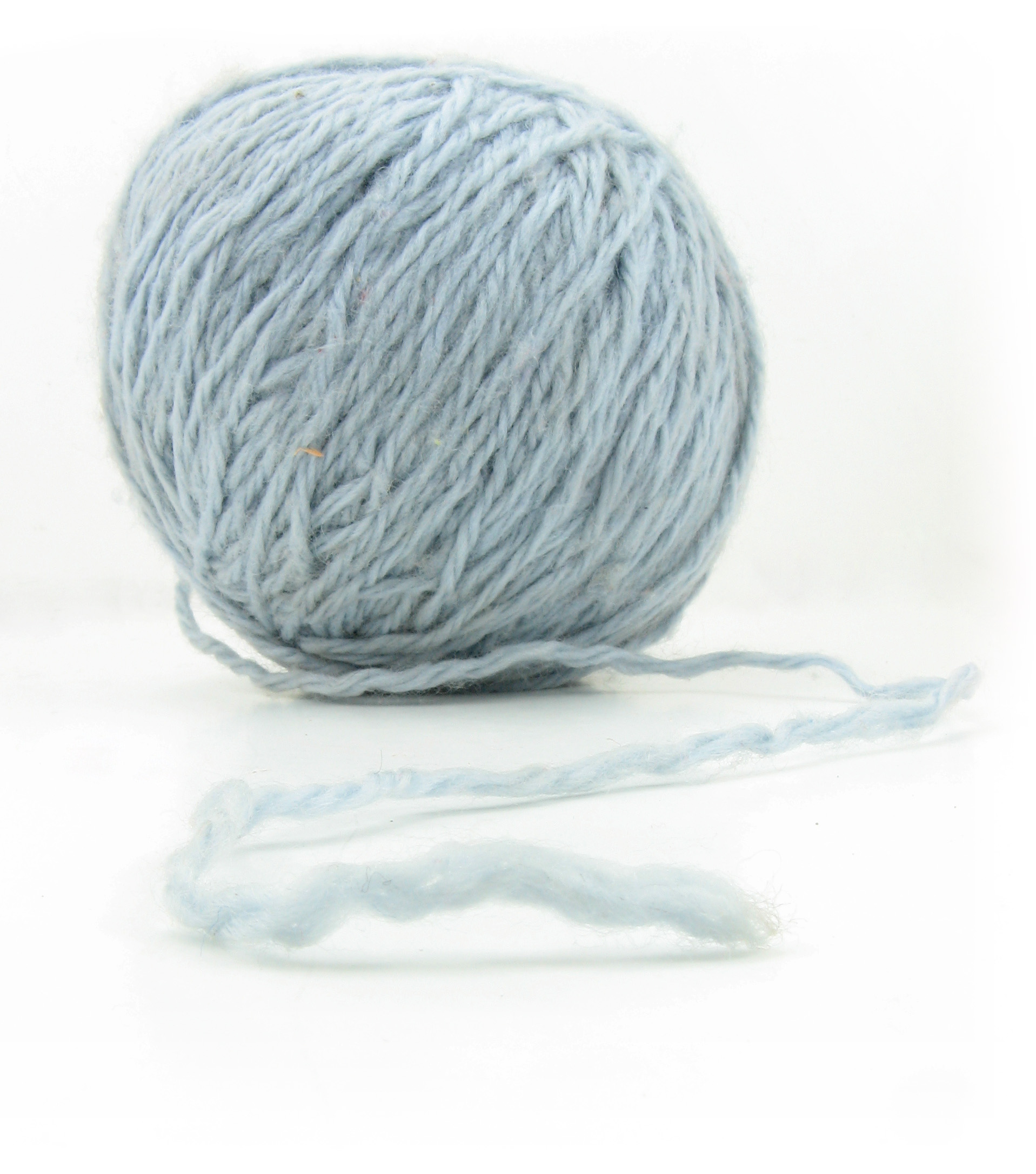
    Part of the problem is that the solution is not as easy as simply taking a pill, avoiding a food, or following a diet for two weeks.  A person making unhealthy choices often has a relationship with food that is like a length of yarn that has grown tangled and snarled with each unhealthy choice, assumption, action, or observation that person has made over their lifetime. Trying to untangle the ball all at once is near to impossible and many people don’t have the confidence or motivation to slowly untangle the knots one by one.
    Children start their lives with a clear length of yarn and they deserve the right to reach adulthood with the same untangled piece of yarn. However, each time they experience unhealthy behaviors such as hearing cheers when they cleaned their plate or being scolded when they did not, watching someone mindlessly eating in front of the television, hearing someone complaining about their body, or being rewarded with food or given food for some reason other than hunger, a twist, a kink, a knot appears in their yarn.  The more often this happens, the more snarled and dysfunctional their own ball of yarn becomes.    Ultimately, they will find themselves an adult with a huge knotted ball of yarn that they can painstakingly work to unravel or can ignore and become buried under.
    Think about your own relationship with your diet, your weight, and your health.  Is it what you want for your child?  Or, are you willing to slowly untangle one knot at a time and send your child into the world without their own snarl of yarn to trip them up?

Breakfast makes for a good morning

Thursday, November 18th, 2010

Breakfast is only one meal of the day but in fact, it may be the most important meal of the day. Eating something early in the morning jump-starts the body’s metabolism, which promotes a healthier weight over time.  Eating breakfast can also help at school – boosting attention, making kids more alert and possibly behaving better during the day.  Some studies have even shown that kids that eat breakfast scored higher on tests. 

Unfortunately, 10% of kids and 30% of teens skip breakfast every day.  If your children fall into this group, here are a few tips to help make breakfast possible. 

  • Reset the alarm.  Give a few extra minutes to grab something to eat at home or arrive at school early enough for a school breakfast.
  • Plan ahead.  Set out something for breakfast the night before along with the backpack, lunch, gym shoes.
  • Have a grab-and-go available for those days when time seems to fly by.  Some healthy and fast breakfast ideas might be hard-boiled eggs, string cheese, yogurt, low fat granola bar, instant breakfast drink with skim milk, or a tortilla wrapped around a banana and some peanut butter.

Yogurt, a.k.a. the “New” candy

Tuesday, November 16th, 2010

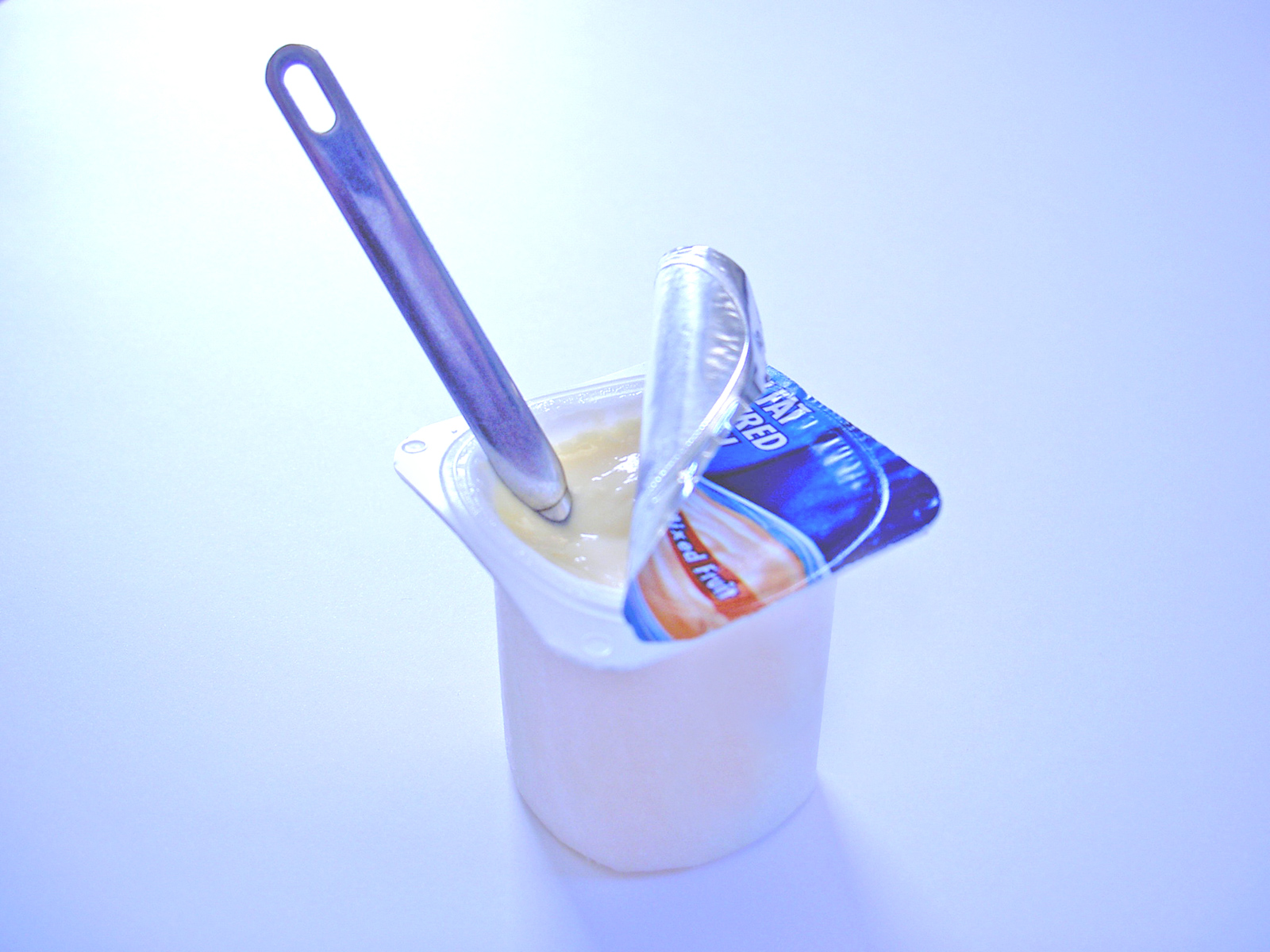
Yogurt quality varies considerably and many of the yogurts targeted at kids are no better than candy in a cup.   When grocery shopping for yogurt, make it an opportunity to educate your child on how food manufacturers use marketing techniques such as bright colors, cartoon characters, and fancy packaging to “trick” them into making nutritionally poor choices.  Show your child how to check the nutrition labels to choose a yogurt that is high in calcium and active yogurt cultures (such as L.Acidophilus, B.Bifidum, and L.Bulgariucus) and low in added sweeteners, colors, and artificial ingredients.    If your family still balks for a super-sweetened yogurt, try mixing in an increasingly larger portion of plain yogurt over time until their taste buds have adjusted.

The Apple Test

Wednesday, November 3rd, 2010

 I recently saw an advertisement which showed a large picture of a sad looking child’s face.  Above the child’s head were the words, “Wipe that ‘I hate fractions’ look off his face in less than 15 minutes” and at the bottom of the page, was a recipe for chocolate chip cookies.  The message behind that advertisement, that parents should offer cookies or food in general to cheer up a child having trouble with schoolwork, is one of the major reasons many children and adults have a dysfunctional relationship with food.  

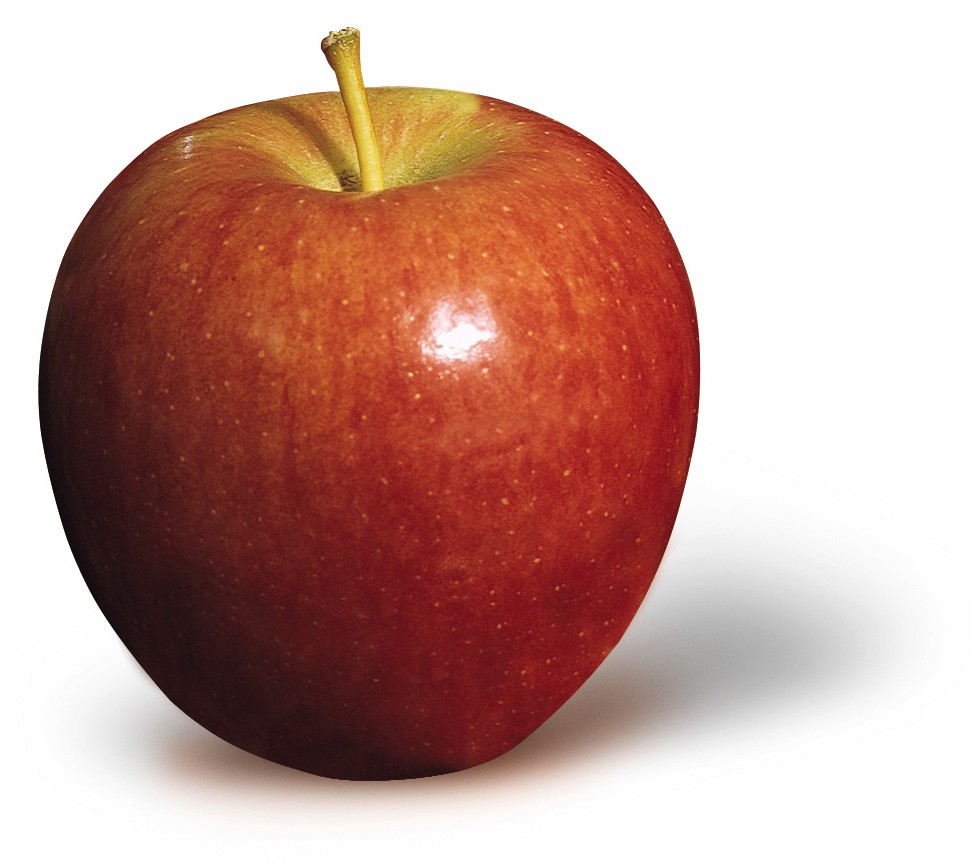
Eating should be an enjoyable experience but only used to solve hunger-related problems.  More and more, people eat to solve emotion-related problems, such as boredom, sadness, anger, worry, etc.  Encourage your child to listen to their body and how it feels when it is hungry or full.  They should eat slowly at meals and stop eating at the point when they think they may be getting full.   Teach your child the apple test – if your child asks for food at a time when you think they may not be hungry, offer them an apple.  Often, they will not be interested in the apple if they are not truly hungry.  Also, parents should avoid using food as a reward or treat.   Doing so teaches children that food is a solution for more than hunger. 

 The next time you see the “I hate fractions” look on your child’s face, be a positive influence on your child and their relationship with food.  Offer to help with their math homework, give a few words of encouragement, or pull them in for a reassuring hug.  Everyone will benefit.